How to Order Food in English for Kids
How to Order Food in English: Words and Activities for Kids is a four-step lesson: greet, ask politely, make one choice, and say thank you. Teach chunks such as “I’d like…,” “Can I have…?” and “Could we have the bill?” Children combine a small vocabulary in a café, restaurant, school canteen, or family role-play. The tasks progress from pointing and repeating to reading menus, changing orders, and completing a conversation.
Core Words and Polite Phrases
Begin with familiar foods: bread, rice, soup, noodles, chicken, fish, salad, fruit, cake, juice, milk, and water. Add starter, entrée, side, dessert, drink, menu, table, and bill. These words support complete exchanges.
Food and Menu Word Cards
I'd like some bread.
The soup is warm.
I'll have the noodles.
The salad comes first.
Can I have juice?
Cake is my dessert.
May I see the menu?
Could we have the bill?
Point to a card, say the word, and place it in an order. Then practise the phrases below.
Teach whole phrases before grammar rules. “Could I have some water?” works better at the table than separate drills on can, have, and the courtesy marker. Once children know the phrase, replace one item at a time: water becomes juice, soup, or a sandwich.
Teach How to Order Food in English: Words and Activities for Kids with a fixed sentence frame and changing choices. Your child controls the exchange without inventing a sentence for every dish.
From Greeting to Paying: A Complete Exchange
Show where each phrase belongs. An order starts with a greeting and “Are you ready to order?” The child answers, “Yes, thank you. I’d like the noodles.” For a choice, ask, “Would you like water or juice?”
Use this model: “Hello. Can I have the soup?” “Certainly. Would you like bread with that?” “Yes, that would be good.” “Anything to drink?” “Water, thank you.” Read both roles once, then give your child the customer’s part.
When using How to Order Food in English: Words and Activities for Kids as a lesson theme, include one problem. A dish may be unavailable, or the drink may change. Practise: “That’s fine. I’ll have the salad instead.”
Activities for Different Ages
For school-age kids, use pictures or toy food. Hold up two items and ask, “Would you like rice or soup?” Your child points and answers, “I’d like soup.” Switch roles after three turns.
For school-age kids, make a menu with three entrées, three drinks, and two desserts. Mark each item with a coloured circle instead of a price. One person serves, one orders, and a third checks the menu. Rotate roles every few minutes.
For school-age kids, add follow-up questions. Your child can ask what accompanies a meal, remove an ingredient, or order for two people. In one-to-one online lessons, our LearnLink tutors adjust the exchange to the learner’s reading level and confidence.
Practice Ideas for Home and Online Lessons
How to Order Food in English: Words and Activities for Kids works across three tasks. Match food words to pictures, sort them into dishes, drinks, and desserts, then role-play with two polite phrases and one question.
Choose a real menu with structured sections and familiar dishes. Ask your child to find a drink, a vegetable dish, and something they would reject. Ask, “Why not?” “I don’t like mushrooms” completes the task.
Build an Order
Choose one starter, one entrée, and one drink. Order with “I’d like…” Then change one item after the server says, “Sorry, we don’t have that today.”
Repeat with a new menu. If your child pauses, offer the phrase’s first two words. For an allergy or medical need, an adult must confirm ingredients with the restaurant; practice cannot replace that check.
Common Mistakes and Simple Fixes
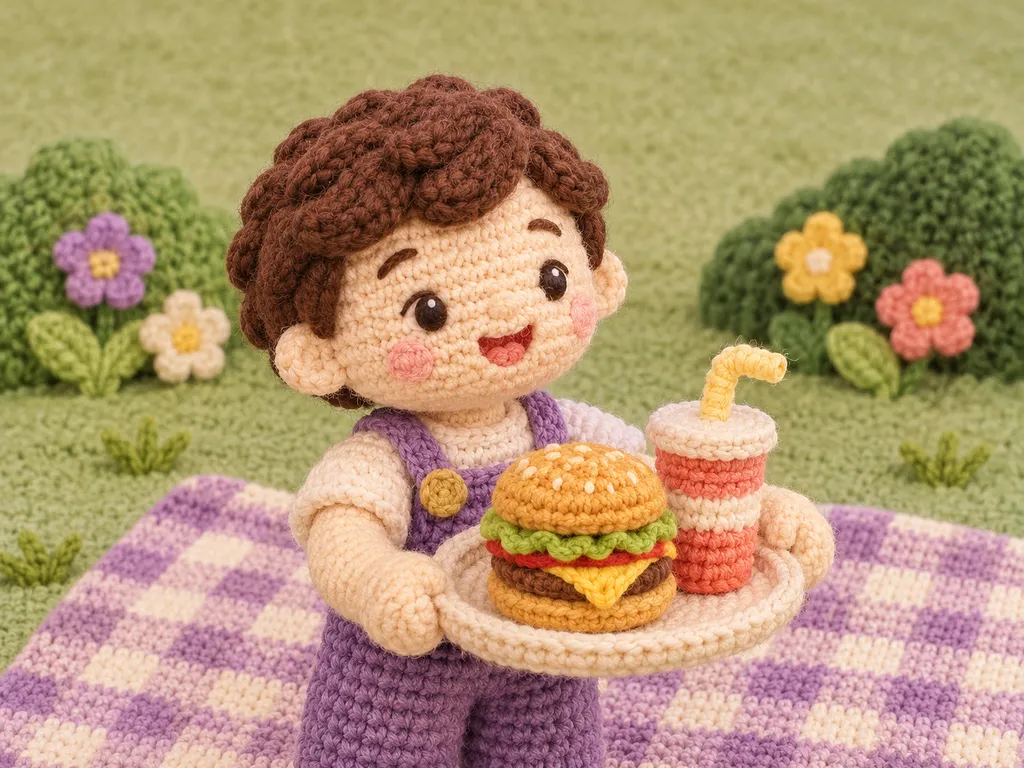
“I want chicken” is understandable but can sound abrupt in certain settings. Use a polite frame: “I’d like the chicken, please” or “May I have the chicken?” Do not teach “Give me…” as the normal restaurant form, even when a direct translation sounds natural.
Children may omit small words: “I’d like sandwich” instead of “I’d like a sandwich.” Practise a sandwich, an apple, and some rice as chunks. During role-play, model the correction and continue without a long grammar explanation.
Another error is answering “Would you like…?” with “Yes, I like.” Teach matching replies: “Yes, please,” “No, thank you,” or “I’d like the soup instead.” Fixed response pairs help multilingual children separate English from their other languages.
- Practice one polite order using “I’d like…” before your next family meal.
- Replace “I want” with “Could I have…” in three pretend restaurant turns.
- Model a courteous request and “thank you” after each food request your child makes.
- Correct one word gently, then repeat the complete sentence together twice.
- Use a menu picture to rehearse ordering one dish and one drink.
When a word has several meanings or pronunciations, Cambridge Dictionary is a useful check before turning it into child-friendly examples.
Frequently Asked Questions
How Many Ordering Phrases Should Your Child Learn at First?
Start with four or five: “I’d like…,” “Can I have…?,” “That sounds good,” “No, thank you,” and “Could we have the bill, please?” Use each phrase with different foods before adding new frames. A small set is easier to recall than a long list practised once.
What Can Help If Your Child Is Too Shy to Role-play?
Let a toy, puppet, or drawn character become the customer. Read the server’s lines while your child points to a phrase card. Progress from pointing to reading, then speaking without the card. Keep early exchanges short and predictable.
Should Your Child Learn “I’d Like” or “Can I Have”?
Teach both because each is polite and widely used. In How to Order Food in English: Words and Activities for Kids, “Can I have…?” provides a direct first question, while “I’d like…” states a choice. Add “Could I have…?” when your child is ready for another form.
Which Regional Food Words Should Your Child Use?
Use words from your child’s lessons and local setting, then explain regional alternatives. A restaurant may use bill or check; food collected elsewhere may be takeaway, takeout, or to go. These variants are not errors. Recognising more than one form prepares children for international conversations.
Finish with three actions:
- Choose six word cards and say each word aloud.
- Practise two sentence frames with three different foods.
- Complete one 60-second role-play, then repeat it three times this week.
Start your child's English journey today — book a trial lesson with LearnLink.
Stay updated on our latest tips and resources by following us on Instagram LearnLink.